
Dive into the world of electric vehicle charging with our guide on “What is DC in charger?” Discover how Direct Current (DC) charging transforms the way we power up our EVs. From fast-charging stations to the science behind DC, we’ll explore why this technology matters. Whether you’re an EV owner or just curious, join us to learn how DC charging can make your electric journey smoother and faster.
DC, or Direct Current, is the one-way flow of electric charge. It moves steadily in a single direction, unlike AC, which constantly changes direction. In chargers, DC refers to the type of current sent directly into an electric vehicle’s (EV) battery. Since all batteries store energy as DC, it’s essential for charging.
EV batteries are chemical storage systems. They can only store energy in DC form. It doesn’t matter how energy is generated or delivered by the grid; before storing energy, it must become DC. This requirement is true for smartphones, laptops, and EVs alike.Batteries need steady, direct energy flow.DC charging means faster delivery to battery cells.
Feature | AC Charging | DC Charging |
Type of Current | Alternating Current (AC) | Direct Current (DC) |
Energy Direction | Changes back and forth | Flows in one direction |
Conversion to DC | Happens inside the EV | Happens inside the charger |
Charging Speed | Slower | Much faster |
Equipment Simplicity | Lightweight, low cost | Larger, higher upfront cost |
AC is what comes from wall outlets. It’s cheaper and easier to use. DC charging skips extra steps and pushes power directly, so it’s faster.
AC from the grid can’t go straight into a battery. It must convert to DC first. Where does this conversion happen? It depends:AC Charging (Level 1/2): The car’s onboard charger converts AC into DC before sending it to the battery.DC Fast Charging (Level 3): The charger itself handles the AC to DC conversion before delivering it directly to the battery.
DC charging is like giving your electric car a super-fast energy boost. Here’s how it works:
Plug In: Connect the DC charger to your car using a compatible connector.
Power Up: The charger sends a direct current (DC) to your car’s battery.
Quick Charge: The car’s battery starts charging rapidly, often adding significant range in just minutes.
In most cars, the onboard converter changes AC power from the grid to DC power for the battery. But DC chargers skip this step. They convert AC to DC right inside the charger. This means the car’s battery gets a direct power supply, making charging much faster.
DC chargers deliver power directly to the battery, bypassing the onboard converter. This direct delivery allows for higher power output, which means faster charging times. For example, a DC charger can add up to 298 miles of range in just one hour, depending on the charger’s power and the car’s battery.
By understanding these steps, you can see why DC charging is so efficient for electric vehicles. It’s like having a super-fast fuel pump for your car.
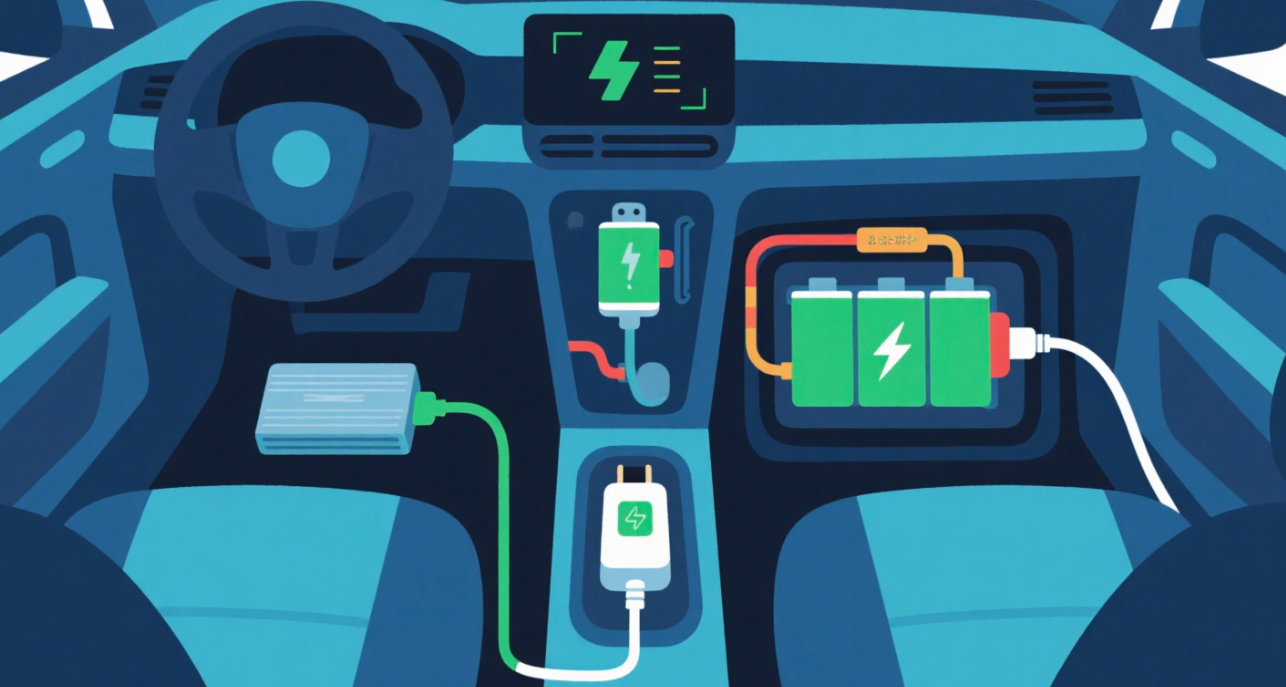
Level 3 DC fast charging is the speed leader for EV charging. It uses direct current (DC) to send power directly into the battery, skipping slow internal converters. This type of charger lives along highways, retail fuel stations, and busy charging hubs.
It helps drivers regain significant range in a short time. Businesses can use Level 3 chargers to attract customers needing a quick top-up while shopping or grabbing coffee.
DC chargers come in different power levels.They push higher current through thicker, cooled cables. It reduces waiting, gets drivers back on the road faster.
Power Level | Power Range | Use Case |
Fast DC | 50 kW – 150 kW | Retail parking, city hubs |
Ultra-Fast | 150 kW – 600 kW | Highways, fleet depots |
50 kW: Entry-level fast charging for daily needs.
50 kW: Quick top-ups in 30 minutes.
600 kW: Heavy-duty, fleet-ready, rapid turnaround.
A DC charger can add 173 to 298 miles in one hour. The exact range depends on:
The charger’s power level
The vehicle’s battery size
The battery’s max charge acceptance rate
Here’s a clear view:
Charger Power | Approximate Range Added in 1 Hour |
50 kW | 170 miles (274 km) |
150 kW | 250 miles (402 km) |
350 kW | 298 miles (480 km) |
They give EV owners the confidence to plan longer trips without range anxiety.
Standalone DC charging stations are like all-in-one power packs. They have everything needed to charge a car’s battery in one unit. These stations can deliver high power outputs, often between 50 kW and 400 kW. They’re perfect for places like highways and fuel stations where drivers need a quick charge.
Pros: They have a smaller footprint and are easier to maintain.
Use Cases: Highways, fuel stations.
Split DC charging stations come in two parts: the power unit and the user unit. The power unit is often placed inside a building and handles the heavy electrical work. The user unit is what drivers interact with to charge their cars. These stations can deliver up to 600 kW of power.
Pros: They offer more scalability and flexibility in installation.
Cons: They require more cabling and have a more complex setup.
Use Cases: Commercial parking, hospitality, fleet depots.
By understanding these two types of DC charging stations, you can see how each is designed to meet different needs. Whether you need a compact solution or a powerful, flexible system, there’s a DC charging station that fits the bill.
Conductive charging is the most common method. It uses a cable to connect the charger directly to the car. This method can deliver up to 400 kW of power, making it super fast. The charger sends power directly to the car’s battery, skipping the onboard converter. This means your car can charge in just minutes instead of hours.Conductive charging is fast, efficient, and cost-effective. However, it requires manual connection and maintenance.
Wireless charging uses magnetic fields to transfer power. Imagine two pads: one on the car and one on the ground. The ground pad creates a magnetic field that the car pad converts into electricity. This method is convenient because there are no cables to plug in.Wireless DC charging has no cables and is easy to use. It is less efficient than conductive charging and is still in development. In the future, it could make charging as easy as parking.
Bi-directional charging, or vehicle-to-grid (V2G), is a smart technology. It allows cars to not only receive power but also send it back to the grid. This means your car can act like a mobile power station, storing energy and releasing it when needed.Bi-directional charging helps balance the grid and can even earn you money. However, the technology is still developing and isn’t widely available yet. It works by charging your car when power is cheap and sending it back to the grid when demand is high.
Each method has its own benefits and challenges. As technology advances, we’ll see more efficient and convenient ways to charge electric vehicles.
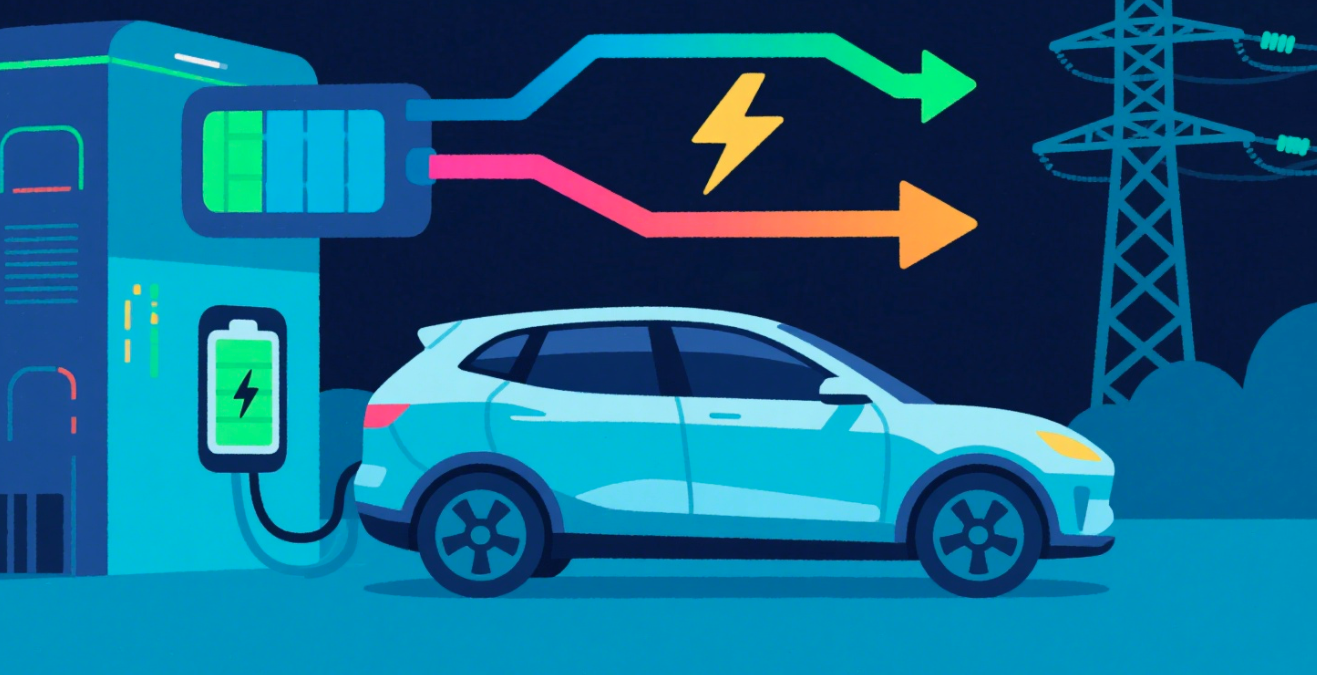
DC charging plays a crucial role in addressing range anxiety. This fear of running out of power before reaching a charging station is a major barrier for many potential EV buyers. DC fast chargers, with their ability to add significant range in just minutes, can help alleviate this concern. By providing quick and efficient charging options, DC chargers make EVs more practical for everyday use.
For long-distance travel, DC charging is a game-changer. Imagine being able to charge your car in the time it takes to grab a coffee. DC fast chargers can add up to 298 miles of range in just one hour. This means that EV drivers can travel long distances without worrying about running out of power. Strategically placed DC charging stations along highways can make road trips in EVs just as convenient as in traditional gas-powered vehicles.
Commercial fleets, such as delivery trucks and buses, require maximum uptime to stay productive. DC charging is ideal for these applications. With the ability to deliver high power outputs, DC chargers can quickly recharge fleet vehicles, reducing downtime and increasing operational efficiency. For example, a bus equipped with a pantograph can recharge in seconds, allowing it to stay on the road longer.
DC charging is a key factor in accelerating the adoption of EVs. By providing fast and efficient charging solutions, DC chargers make EVs more appealing to consumers. This, in turn, supports the transition to cleaner transportation. As more people adopt EVs, the demand for DC charging infrastructure will grow, leading to more widespread availability and further reducing the reliance on fossil fuels. DC charging is not just a convenience; it’s a crucial step towards a sustainable future.
By understanding the importance of DC charging, we can see how it supports the growth and adoption of electric vehicles. Whether for personal travel or commercial use, DC charging is essential for making EVs a viable and sustainable option.
A: DC stands for Direct Current. It is a type of electrical current that flows in one direction, unlike AC (Alternating Current), which changes direction periodically.
A: Yes, DC charging is safe for your EV. Modern DC chargers are designed with safety features to protect your vehicle’s battery and ensure a secure charging process.
A: Not all EVs can use DC fast charging. While many modern EVs support DC charging, some older or smaller battery models may not be compatible. Check your vehicle’s specifications to be sure.
A: DC charging can add significant range in just minutes. Depending on the charger’s power and your vehicle’s battery, it can take between 17 and 52 minutes to charge a medium-sized EV.
A: Yes, DC charging stations are generally more expensive than AC chargers due to their higher power output and advanced technology. The cost includes both the hardware and installation.
As we’ve explored the ins and outs of DC charging, it’s clear that this technology is a game-changer for electric vehicles. From overcoming range anxiety to supporting commercial fleets, DC charging offers speed, efficiency, and convenience. As more people adopt EVs, the need for reliable and fast charging solutions grows.
Ready to make the switch to electric? Zhejiang Leyu Electric Co., Ltd. offers a range of DC charging solutions designed to fit your needs, whether you’re a daily commuter or a fleet operator. Visit our website to learn more about how you can benefit from fast, efficient, and reliable DC charging.


