
Are you choosing a power supply but unsure where to start? Selecting the right one can be tricky. A poor choice could damage your devices or lead to inefficiency.
In this post, we’ll explain what a single output power supply is and why it’s important to choose the right one. You’ll also learn about switching power supplies and their key benefits.
A single output power supply is an electrical device designed to provide one specific output voltage. It takes the input from a wall outlet or battery and converts it into the necessary voltage for your devices. This is essential for powering electronics safely and efficiently.
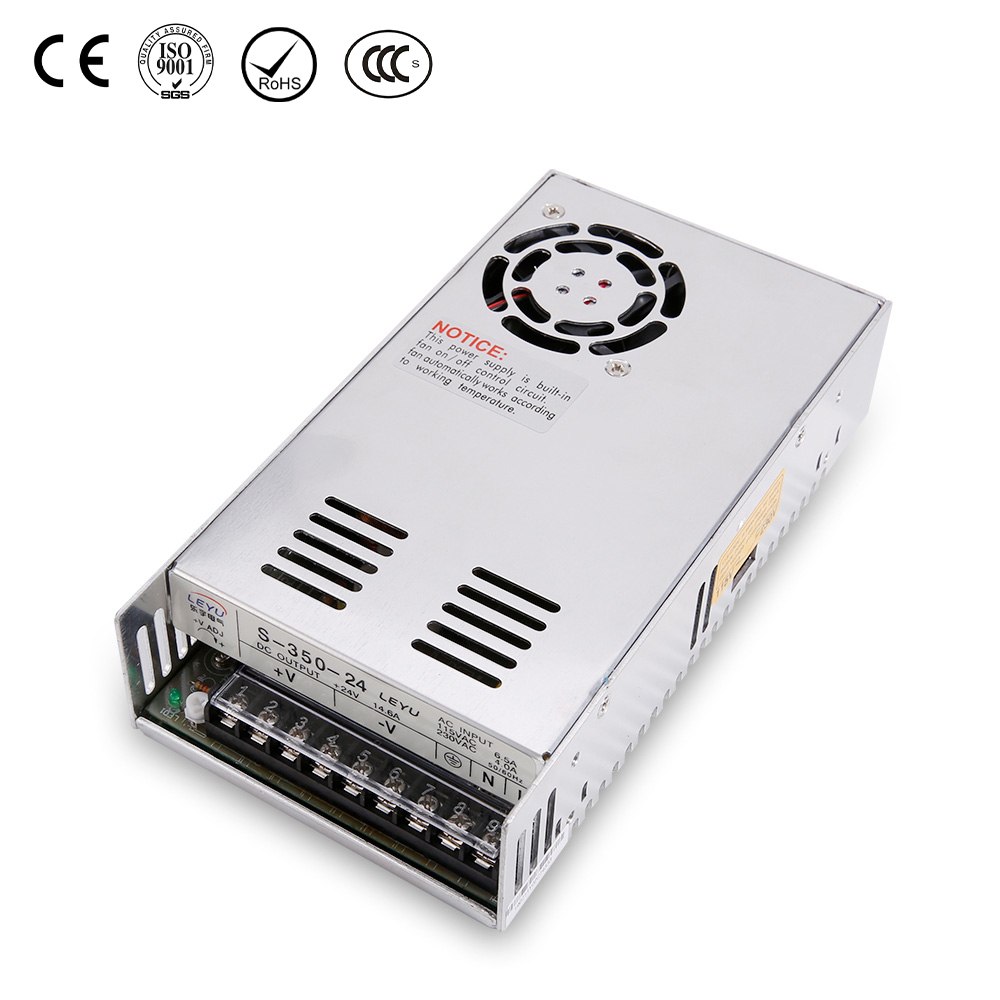
Voltage Conversion: It adjusts the incoming voltage to match the needs of your devices.
Power Regulation: It ensures a stable and consistent voltage is delivered to prevent damage.
Energy Efficiency: Many single output power supplies are designed to minimize energy waste.
A single output power supply has one output voltage, making it simpler and more cost-effective for powering individual devices. In contrast, a multi-output power supply provides multiple voltages, which is useful when you need to power various components simultaneously.
Choosing the right power supply is crucial. The wrong one can lead to inefficient performance or even damage your devices.
Correct Power Supply Selection: Using the right power supply ensures your devices run smoothly without issues like overheating or underperformance.
Risks of an Incorrect Power Supply: A mismatched power supply can lead to problems such as device failure, overheating, or even permanent damage. Efficiency drops, and devices might not function properly, leading to costly repairs or replacements.
When selecting a power supply, it's important to consider several factors. Each one impacts how your devices will perform and how long the power supply will last. Here are the key elements you should focus on.
Determining the power needs of your devices is crucial. You need to understand the voltage and current your devices require. To figure this out, check the specifications of each device. For example, if a device needs 12V and 2A, the power supply must provide at least that much.
Safety Margin: Always add a safety margin to your calculations. This ensures that the power supply can handle slight power surges or additional load without problems. For example, if your device needs 12V and 2A, choose a supply that provides at least 10% more power to ensure reliability.
Load Capacity: Load capacity refers to the maximum amount of power the supply can handle without overheating or failing. If the power supply is too small, it may overheat, cause instability, or damage the device.
Efficiency is a key consideration when choosing a power supply. It refers to how much input power is converted into usable output power. A more efficient supply wastes less energy, leading to lower energy bills.
Why Efficiency Matters: Over time, using an efficient power supply saves you money on electricity bills. It also reduces the environmental impact, making it a better choice for both the pocket and the planet.
Energy-Saving Features: Some power supplies come with features like Power Factor Correction (PFC) and Active Power Factor Correction (APFC). These features improve the power supply's efficiency and make it more environmentally friendly. PFC reduces the reactive power drawn from the source, while APFC dynamically adjusts to optimize energy consumption.
Here’s a simple comparison of energy-efficient features:
| Feature | Benefits |
|---|---|
| Power Factor Correction (PFC) | Reduces energy waste and improves efficiency |
| Active Power Factor Correction (APFC) | Provides better efficiency under varying loads |
Stable voltage and current are vital for the health of your devices. A consistent power supply prevents equipment damage and ensures smooth operation.
Importance of Stable Voltage: Unstable voltage can lead to malfunction or failure of sensitive electronics. Devices like computers, medical equipment, and LED lighting require steady voltage to operate correctly.
Current Regulation: A power supply must deliver a stable current to avoid issues like flickering lights or unreliable motor performance. This is especially important in LED lighting or when controlling motors.
Reliability and protection features ensure the safety of both your power supply and connected devices. A good power supply protects against common electrical issues that could damage your equipment.
Essential Protection Features: Look for overvoltage protection (OVP), overcurrent protection (OCP), and short-circuit protection (SCP). These features help protect your devices by automatically shutting off the supply or limiting the power when issues occur. Without these features, your equipment could be exposed to potentially damaging power surges.
How to Evaluate Reliability: To assess reliability, check the manufacturer’s specifications, reviews, and warranties. Brands known for high-quality, durable power supplies are more likely to provide consistent performance. You should also consider the Mean Time Between Failures (MTBF), which indicates how long the power supply is expected to last under normal usage.
Here are the basic protection features you should expect in a high-quality power supply:
| Protection Feature | Purpose |
|---|---|
| Overvoltage Protection (OVP) | Prevents damage from power surges |
| Overcurrent Protection (OCP) | Stops the power supply from drawing too much current |
| Short-Circuit Protection (SCP) | Protects the system by shutting off in case of a short |
When selecting a power supply, managing both noise and heat is essential. These factors can affect performance and the longevity of your devices. Here's how to ensure your power supply remains efficient and reliable.
Noise in a power supply comes from electromagnetic interference (EMI), which can disrupt sensitive electronics. It’s especially crucial when powering equipment like communication systems or medical devices, where precision matters.
Why Noise Matters: Unchecked noise can cause devices to malfunction or behave unpredictably. For example, in audio equipment or RF (radio frequency) systems, even minor interference can affect quality.
Minimizing EMI: A good power supply should reduce EMI by using filters and shielding. Look for supplies with low ripple and noise levels to ensure clean and stable power. Also, designs that include shielded enclosures or twisted pair cables can help minimize noise.
Here’s a quick look at how noise can be minimized in a power supply:
| Noise Management Feature | Purpose |
|---|---|
| Shielding | Prevents EMI from leaking out or affecting other components |
| Low Ripple Output | Ensures minimal fluctuation in the output voltage |
| Proper Grounding | Helps direct noise away from sensitive areas |
Heat is another crucial factor when selecting a power supply. As power supplies convert electricity, they often generate heat. Excessive heat can reduce efficiency and damage internal components, leading to a shorter lifespan.
Efficient Heat Dissipation: A power supply with effective heat management can operate longer and more efficiently. Cooling systems, such as heatsinks or fans, help maintain optimal temperature levels.
Fanless Designs: Some power supplies feature fanless designs that rely on passive cooling, reducing noise and wear on moving parts. These designs are ideal for quieter environments and for places where reliability is critical.
Heat management options include:
| Cooling Feature | Benefit |
|---|---|
| Heatsinks | Distributes heat to maintain temperature balance |
| Fans | Actively cool components to avoid overheating |
| Passive Cooling | Eliminates the need for fans, ideal for quieter systems |
When choosing a power supply, it’s essential to consider the size, form factor, and mounting options. These factors affect both installation and the power supply’s performance.
Power supplies come in various sizes and shapes. Selecting the right one for your installation space is crucial for efficient operation and maintaining airflow.
Space Considerations: Measure the available space where the power supply will be installed. Make sure the size matches the area without blocking airflow or obstructing other components.
Form Factor Types: There are several form factors available, including open-frame, enclosed, and DIN rail mount.
Open-frame power supplies are compact and ideal for custom installations.
Enclosed units are enclosed in a case, providing added protection.
DIN rail mount supplies are designed for industrial environments where mounting on a rail is required.
Here’s a quick comparison of common form factors:
| Form Factor | Ideal Use Case |
|---|---|
| Open-frame | Custom installations or space-constrained areas |
| Enclosed | Environments needing additional protection |
| DIN rail mount | Industrial settings and easy mounting |
Proper mounting is key to a stable installation and optimal performance. It also impacts cooling efficiency.
Mounting Types: Power supplies offer various mounting options, such as screw mounts or bracket mounts. The choice depends on the environment and the power supply’s design.
Screw-mounted supplies are secure and stable, often used in fixed installations.
Bracket-mounted units offer flexibility and ease of maintenance.
Cooling Considerations: Mounting the power supply in a well-ventilated area ensures proper cooling. Some models include heat sinks or fans for better heat dissipation. Placing the unit in a space with good airflow helps prevent overheating, which can improve efficiency and lifespan.
Different applications have varying power supply needs. Understanding these requirements is essential when choosing the right power supply for your system.
Each field has unique power demands that require specific power supplies. Here’s a breakdown:
Electronics: For sensitive devices like computers, audio equipment, or communication tools, the power supply needs to deliver a stable voltage and current. The power supply should also have low ripple and noise to prevent interference.
Automotive Systems: In vehicles, power supplies often need to work in harsh conditions, such as temperature extremes or vibration. A 12V DC power supply is typically used in car electronics, charging systems, and GPS devices.
Off-Grid Systems: Off-grid setups, like solar power systems, require reliable and energy-efficient power supplies. These systems often use battery-powered DC power supplies, ensuring the devices run smoothly even without a constant AC connection.
Industrial environments demand power supplies that can handle more intense conditions. These supplies must be built to last and protect sensitive machinery.
Durability: Industrial power supplies need to endure extreme temperatures, dust, and vibrations. This requires a rugged design, often featuring sealed enclosures and specialized cooling systems.
Protection Features: Since industrial machines are costly, power supplies need to offer overvoltage protection, short-circuit protection, and overcurrent protection. These features prevent damage to both the power supply and the equipment.
Reliability: In critical operations, power failure can lead to costly downtime. Industrial power supplies are designed to operate continuously without interruption, often featuring long lifespans and high Mean Time Between Failures (MTBF) ratings.
Here’s a quick look at the power supply requirements for different applications:
| Application | Power Supply Requirements |
|---|---|
| Electronics | Stable voltage, low ripple, minimal noise |
| Automotive Systems | Rugged, 12V DC, resistant to temperature and vibration |
| Off-Grid Systems | Energy-efficient, DC output, reliable for remote use |
| Industrial Settings | High durability, protection features, long lifespan |
Choosing the right power supply is crucial for both current and future needs. Consider your device's voltage, current, and load capacity.
For long-term efficiency, ensure proper maintenance by regularly checking for dust buildup and ensuring cooling systems function well. Keep the power supply in a well-ventilated area to prevent overheating and prolong its life.
A: A single output power supply is an electrical device that provides one specific output voltage, converting input power from a wall outlet or battery to match your device’s needs. It is essential for powering devices efficiently and safely.
A: A single output power supply provides one output voltage, ideal for individual devices. In contrast, a multi-output power supply offers multiple voltages, useful when powering various components at once.
A: Efficiency refers to how much input power is converted into usable output power. A more efficient power supply wastes less energy, leading to lower electricity costs and a reduced environmental impact. Features like Power Factor Correction (PFC) enhance efficiency.


